
What Does “Skin Quality” Really Mean — and How Can We Improve It?
When people talk about wanting better skin, they’re rarely asking for dramatic change.More often, they’re describing skin that feels dull, dehydrated, less firm, or less resilient than it used to be.
This is where the idea of skin quality becomes important.
Skin quality isn’t about perfection or erasing every line. It’s about how healthy, comfortable and supported the skin looks and feels on a day-to-day basis.
What Is Skin Quality?
Skin quality refers to several key characteristics working together, including:
Hydration
Texture and smoothness
Elasticity and firmness
Evenness of tone
How well the skin responds to treatments and home care
As we age, the skin naturally produces less collagen, elastin and hyaluronic acid. Hormonal changes, stress, lifestyle, and environmental factors can all influence how well the skin retains moisture and repairs itself.
The result is often skin that looks tired rather than aged — and that distinction matters.
How Can Skin Quality Be Improved?
Improving skin quality is rarely about one single product or treatment.The most effective results come from a layered approach that combines professional treatments with supportive home care.
Professional Skin Treatments
Advanced skin treatments can support skin quality in different ways depending on individual needs.
These may include:
Skin boosters, which help support hydration and overall skin condition
Nano-needling, which enhances the absorption of active ingredients and supports smoother texture
Diamond microdermabrasion, to gently exfoliate and refresh the skin surface
LED light therapy, which supports skin repair and calming
Radio frequency, which helps encourage firmness and skin support over time
Each treatment plays a different role. None are one-size-fits-all, which is why consultation is always the starting point.
The Importance of Home Care
Professional treatments work best when they’re supported at home.
A consistent skincare routine can help:
Maintain hydration
Support the skin barrier
Prolong the benefits of in-clinic treatments
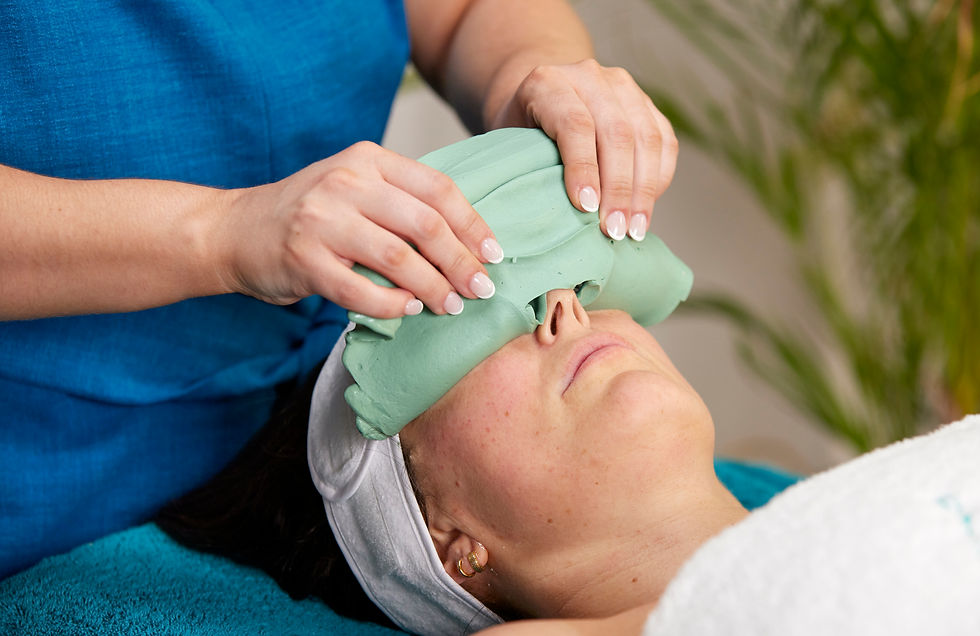
This may include targeted serums, nourishing moisturisers, or regular use of professional face masks chosen specifically for your skin — rather than trends or guesswork.
Skin quality improves gradually and responds best to consistincy


Comments